Original article published at Western News.
We are helping evaluate the long-term performance of materials proposed for Canada’s deep geological repository for used nuclear fuel.
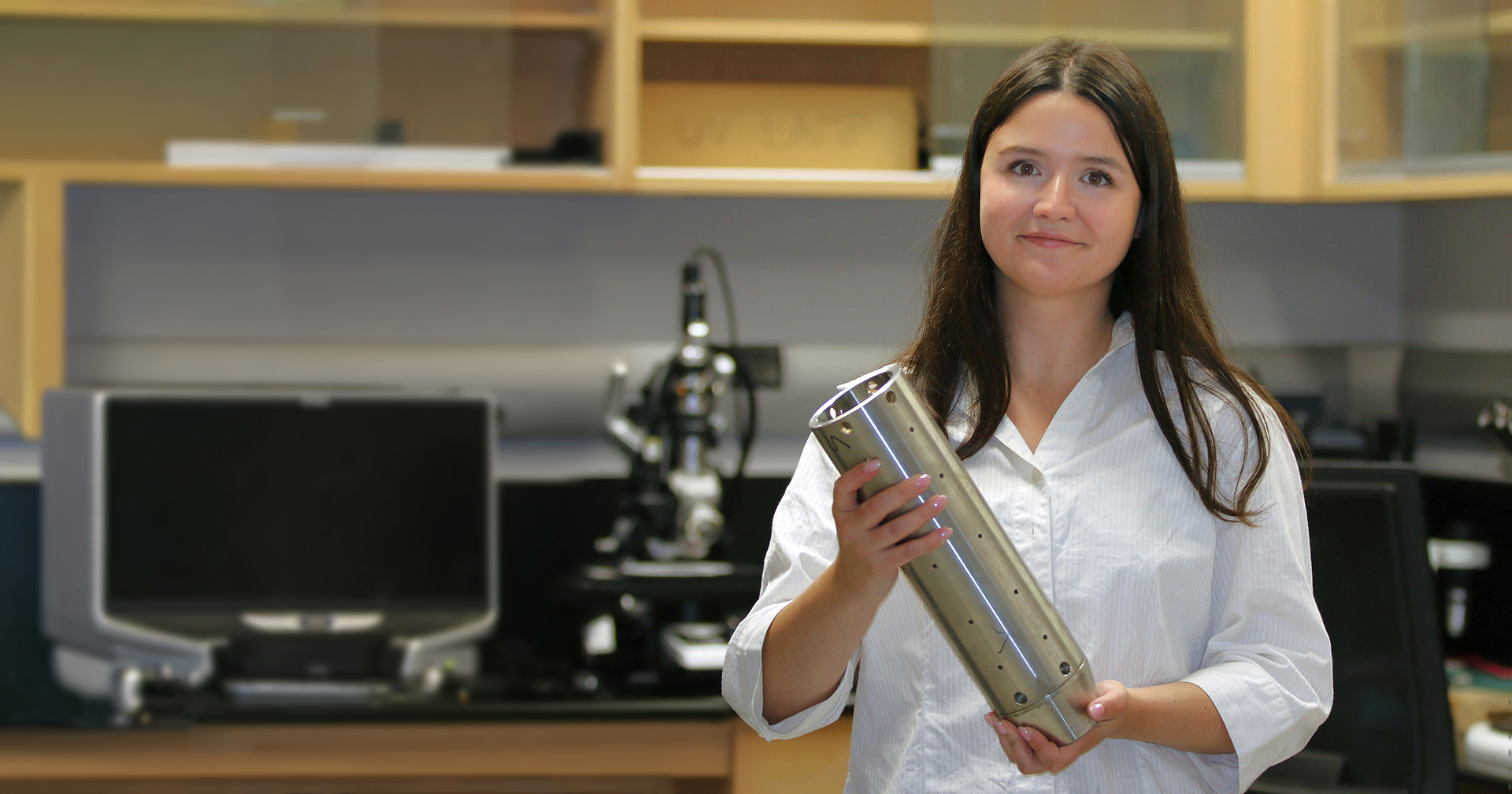
Our PhD student, Jessie McDonald, recently participated in the retrieval of experimental modules that had been installed approximately 300 metres underground for approximately 5 years. The experiments exposed copper and highly compacted bentonite clay to realistic underground conditions, including groundwater and naturally occurring microorganisms.
A key focus of the research is the potential effect of sulphide-producing microorganisms. Under oxygen-poor conditions, these microorganisms can generate sulphide, which may contribute to copper corrosion. Bentonite clay is designed to provide an important protective barrier: when hydrated, it swells and becomes highly compacted, restricting microbial activity and transport while also limiting the movement of corrosive species.
Initial examination of the retrieved copper specimens indicates that the engineered barrier system is performing largely as expected.
Our research is also investigating how bentonite density influences its ability to suppress microbial activity and protect copper. This question is important because perfectly uniform bentonite compaction cannot be assumed throughout a full-scale underground repository. Therefore, determining the range of densities that continue to provide effective protection contributes directly to evaluating repository safety margins.
The work is conducted in collaboration with the Nuclear Waste Management Organization (NWMO) and research partners. It contributes to the scientific evidence supporting the long-term safety assessment of Canada’s proposed deep geological repository.
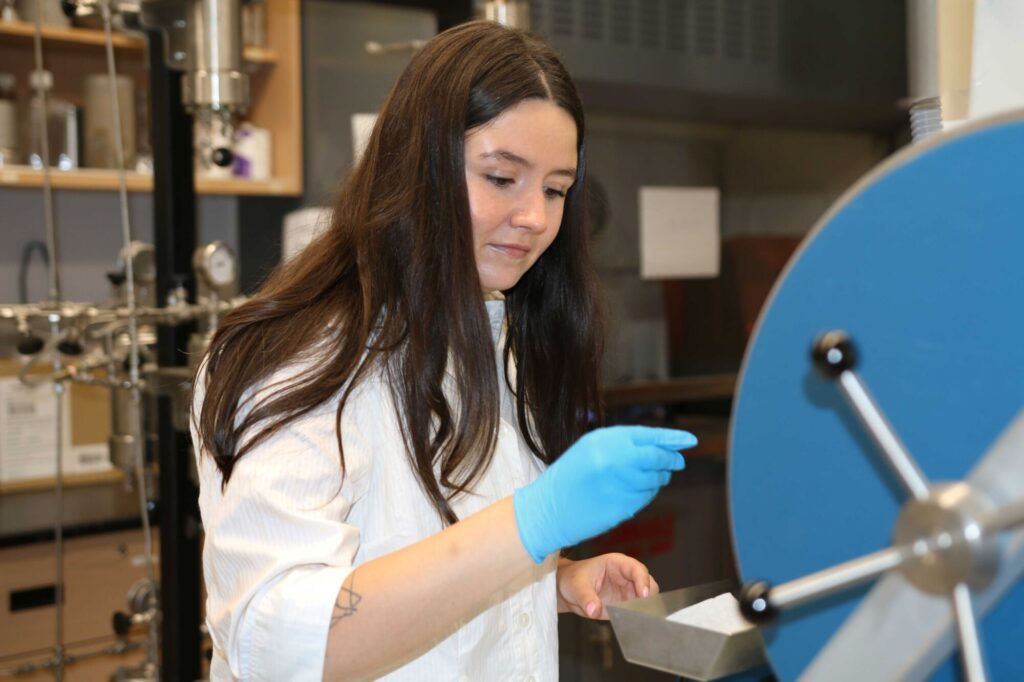
The project combines field-scale underground experiments with laboratory studies of corrosion, electrochemistry and material performance, helping connect fundamental research with the conditions expected over the very long timescales required for nuclear waste isolation.